Miami-Based Charity Delivers $47 Million in Relief Aid to Venezuela After June Earthquakes
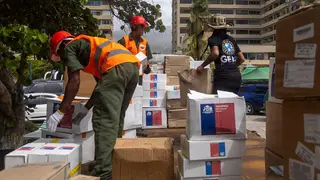
Global Empowerment Mission, a Miami-area charity working with the US State Department, has delivered US$47.4 million in earthquake relief supplies to Venezuela in the 100 days following devastating twin earthquakes on June 24, 2026 that killed over 6,500 people. The aid consists of food, water, medical and shelter supplies transported via 31 cargo flights and 265 containers, with an additional 90 containers still in transit. The total relief value represents approximately 0.24 percent of the World Bank's estimate of direct earthquake damage to the country.
The twin earthquakes that struck Venezuela on June 24, 2026, caused widespread devastation, with authorities documenting over 6,500 deaths and displacing thousands into temporary shelters months afterward. Global Empowerment Mission's relief operation represents a substantial private-sector response, channeling goods through military logistics partnerships to reach affected populations. The shipment composition—heavily weighted toward family emergency kits and basic necessities—reflects immediate survival needs in the disaster aftermath.
The valuation methodology for donated goods remains undisclosed, raising questions about how the charity's US$47.4 million figure was calculated. With additional containers still arriving and the relief total representing less than one-quarter of one percent of estimated earthquake damage, the scale suggests ongoing reconstruction challenges exceeding current charitable contributions.
The aid delivery may provide critical short-term relief to vulnerable populations still in temporary camps, potentially improving conditions for families lacking basic supplies. However, the relief amount represents a modest fraction of total damage costs, which could affect whether reconstruction progresses adequately without complementary government resources or international funding. The partnership with US government entities may influence how aid distribution is perceived domestically and internationally, affecting both humanitarian outcomes and bilateral relations.