Large-Scale Study Reveals Widespread Undiagnosed Hypertension Among English Adults
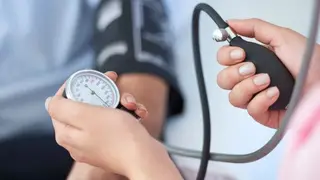
An analysis of 1.4 million adults in England found that over one-third have clinically elevated blood pressure, yet nearly 60% of those affected remain unaware and untreated. The prevalence of hypertension increased dramatically with age, ranging from 15% in young adults to 71% in those over 80, and affected men at nearly 1.5 times the rate of women. Despite decades of clinical guidance, current diagnostic and treatment protocols in England continue to fail at detecting and controlling hypertension adequately, leaving millions at heightened risk for cardiovascular disease.
The research involved nearly 1.4 million participants from Our Future Health, a large-scale UK health initiative launched between 2022 and 2025. Using standardized WHO diagnostic criteria, researchers identified clinically elevated blood pressure when systolic readings reached 140 mmHg or higher, or diastolic readings hit 90 mmHg or above, or when patients were already on medication. The age gradient was particularly striking: younger adults showed manageable rates around 15%, while prevalence climbed steeply with each decade, reaching 71% among those over 80.
Among those identified with hypertension, the treatment gap was substantial. More than half had never received a diagnosis despite meeting clinical thresholds, while roughly half of medicated patients still failed to achieve adequate control. These patterns persisted despite decades of established clinical protocols, suggesting systemic barriers rather than isolated gaps in individual care or patient knowledge.
If these findings reflect broader English population patterns, the public health implications could be significant. Millions of undetected cases may face preventable cardiovascular events including stroke and heart attack. Current diagnostic protocols and treatment guidelines may need reassessment to improve detection rates and medication management. Healthcare systems could face resource questions about expanded screening and follow-up, while individuals remain unknowingly exposed to serious health risks that management might substantially reduce.