The Evolution of Child Car Seat Safety: From Metal Frames to Modern Protection
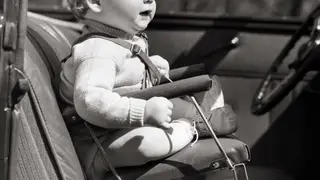
Early child car seats from the 1930s and 1940s featured dangerous metal frames without restraints, with some models even mounted on the outside of vehicles, prioritizing visibility over safety. The 1960s brought significant innovation, including the Jeenay Car Seat invented by journalist Jean Ames, which introduced foam padding and a three-point harness system designed for backseat use. Modern car seats have evolved into highly protective devices that reduce the risk of child death in accidents by up to 71 percent when properly installed.
Child car seats began as simple containment devices with no real safety features. During the 1930s and 1940s, manufacturers prioritized keeping children seated rather than protecting them during collisions. Metal frames without any restraint systems dominated the market, and children often sat in front seats alongside drivers—a practice now considered dangerous for anyone under twelve years old.
The 1960s marked a turning point in design philosophy. Jean Ames's innovation introduced padded materials and proper harness systems while relocating children to rear seats, establishing foundational safety principles still used today. Subsequent decades brought continued refinement, including Ford's cushioned shield design and mandatory tether systems, gradually transforming car seats into the protective devices that now prevent the majority of child fatalities in vehicle accidents.
This historical narrative may influence parental purchasing decisions and safety awareness among modern consumers. Parents who understand how dramatically car seat technology has improved could become more invested in proper installation and compliance with current safety standards. The documented effectiveness in reducing child fatalities may also strengthen support for ongoing regulatory standards, potentially affecting manufacturer design requirements and insurance considerations in the automotive industry.