F1 drivers condemn engine software failures that caused chaotic Bahrain Grand Prix delays
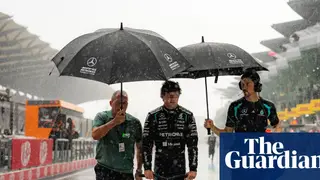
Formula One drivers issued strong criticism of current engine regulations after software problems caused multiple cars to stop on track during the opening laps of the Bahrain Grand Prix in Malaysia. The software controlling engine electronics malfunctioned in wet conditions, preventing cars from accelerating properly and forcing a 53-minute delay for updates before the race could proceed. Max Verstappen won the race despite the chaos, while drivers including Lewis Hamilton and championship leader Kimi Antonelli voiced frustration that the technical issues demonstrated fundamental problems with the sport's direction.
The software malfunction occurred during wet-weather conditions at the Malaysian Grand Prix, where the engine control electronics failed to function properly, leaving drivers unable to generate adequate acceleration. The FIA addressed the immediate crisis by implementing a software patch that required all competing vehicles to return to the pit lane for updates, extending the race start by nearly an hour. Officials acknowledged that insufficient testing in low-grip environments had left the system vulnerable to this type of failure.
The incident reflects broader dissatisfaction among the current driver roster regarding the hybrid power unit formula introduced several seasons ago. Multiple competitors, from championship contender Antonelli to former champion Norris, expressed concern that the technological complexity has become counterproductive to competitive racing. Team principals and drivers alike questioned the original decision-making process that established these regulations, suggesting the sport may need to reconsider its direction before the planned 2028 technical overhaul.
This episode may significantly influence Formula One's regulatory trajectory and manufacturer commitment to the sport. The visible failure of core systems during competition could damage F1's commercial appeal and technical credibility with broadcasters and sponsors. Additionally, the incident may pressure the FIA and team owners to accelerate planned regulation changes or implement interim measures, potentially affecting development budgets and competitive balance. Manufacturers considering continued participation in the sport could view such technical instability as reason to reconsider their involvement.