Seattle Port Chaos: Cruise Repositioning Triggers Unexpected Multi-Hour Immigration Delays
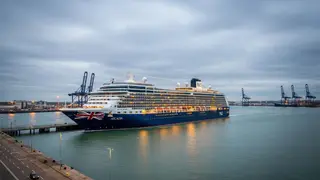
Norwegian Cruise Line passengers disembarking in Seattle encountered an unusual immigration requirement that forced all 1,000+ guests through face-to-face customs inspections, creating lines stretching blocks along the waterfront with wait times exceeding two hours. The delays occurred because the Norwegian Joy was repositioning between Vancouver and Los Angeles rather than conducting a typical round-trip Alaska sailing, which triggered stricter entry protocols for foreign-flagged vessels arriving from international departure ports. The incident was characterized by cruise industry observers as highly unusual for Seattle, where similar Alaska itineraries had proceeded without comparable backlogs.
The Norwegian Joy's journey between Vancouver and Los Angeles represented a seasonal repositioning rather than a traditional closed-loop cruise departing and returning to the same U.S. port. This routing structure automatically triggered more rigorous border enforcement protocols, as U.S. Customs and Border Protection treats foreign-flagged vessels differently depending on whether they originate from international or domestic ports. Passengers boarding from a Canadian departure point faced mandatory individual inspections upon first arriving at any U.S. gateway.
Norwegian Cruise Line's standard passenger agreements explicitly assign responsibility to travelers for obtaining required documentation and complying with immigration rules across all visited nations. The cruise line maintains that boarding and disembarkation decisions are made jointly with federal border authorities and that the company must enforce whatever requirements those agencies impose on a given sailing date. These contractual terms protect the line from liability when unexpected immigration procedures delay operations.
The incident illustrates how cruise itinerary design can create friction between passenger expectations and border enforcement realities. Travelers booking multi-country sailings may underestimate the administrative burden of transitioning between foreign and U.S. ports, potentially arriving without proper documentation or realistic timeline expectations. This case could prompt cruise lines to communicate immigration procedures more explicitly in marketing materials and booking confirmations, while also raising questions about whether major ports like Seattle require better infrastructure to manage unexpected customs surges from repositioning vessels.