Bidirectional Grid Technology Transforms Homes and Vehicles into Energy Resources
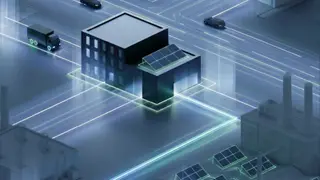
Emerging technology enables two-way communication between the electrical grid and distributed energy sources like electric vehicles and household systems. This approach transforms consumption patterns by allowing homes and vehicles to both draw from and supply power to the grid. The advancement could fundamentally reshape how electricity infrastructure operates after more than a century of one-directional power flow.
For over a century, electrical grids have operated on a single pathway: power generation flowing outward to consumers. Bidirectional grid technology disrupts this model by establishing two-way energy exchange. Distributed sources—particularly electric vehicles and residential energy systems—gain the capacity to both receive electricity during low-demand periods and return stored power when needed by the broader network.
This shift represents a structural transformation in how electricity infrastructure functions. Rather than serving purely as consumption endpoints, homes and vehicles become active participants in grid management, potentially improving overall system efficiency and resilience.
This development could affect multiple stakeholders: utility companies may need to reimagine business models; consumers with compatible systems might gain financial incentives through energy trading; grid operators could access new flexibility for managing demand peaks. The transition may also accelerate electric vehicle adoption by adding revenue potential to ownership. However, widespread implementation would require substantial infrastructure investment, regulatory adaptation, and technological standardization across diverse systems.