Electrophoresis Enables Paper-Like Display Technology Without Light Sources
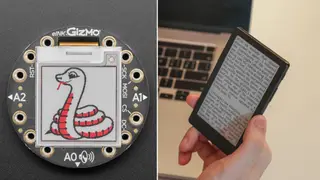
E-ink displays utilize electrophoretic principles to generate images while remaining visually similar to traditional paper and requiring no backlighting. The technology relies on controlled movement of charged particles within a display medium to create contrast. This approach offers significant advantages in power consumption and visual comfort compared to conventional screen technologies.
E-ink technology operates through electrophoresis, a process where electrically charged particles shift position in response to applied electric fields. By manipulating these particle movements within the display medium, the system generates visual contrast sufficient to render readable text and images. This fundamental mechanism distinguishes e-ink from light-emitting display technologies.
The advantages of this approach center on efficiency and user experience. Because e-ink displays generate images without requiring backlighting systems, they consume substantially less power than conventional screens. Additionally, the paper-like visual appearance may reduce eye strain for extended reading sessions, offering potential benefits for user comfort during prolonged device use.
This technology could impact consumer electronics by enabling longer battery life in portable reading devices and reducing overall energy consumption across the display industry. Educational institutions and professionals who rely on extended reading may benefit from decreased eye fatigue. However, wider adoption would depend on factors including manufacturing scalability, color capability improvements, and cost-competitiveness with existing display technologies.