Bone Analysis Reveals Iron Age Spanish Settlement's Diverse Diet and Ceremonial Practices
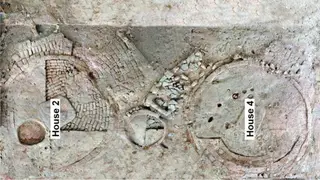
Analysis of over 5,000 animal bones from an Iron Age household near Salamanca, Spain has unveiled the community's dietary patterns and social practices between roughly 900 and 500 BCE. The inhabitants primarily consumed meat from aging livestock and hunted deer for regular sustenance, while horse and turtle meat appeared to be reserved for ceremonial occasions. This evidence from the walled village of Cerro de San Vicente demonstrates how food choices reflected both practical nutrition and cultural significance in prehistoric Spanish society.
Researchers examined more than 5,000 animal bone specimens recovered from a residential site in the Salamanca region dating to the early Iron Age. The settlement of Cerro de San Vicente was fortified and occupied during a period spanning roughly four centuries, from around 900 to 500 BCE. By studying which animal species were present and in what quantities, scientists could reconstruct what the inhabitants actually ate on a day-to-day basis.
The findings reveal a community that strategically managed its protein sources. Older animals from domestic herds—cattle, sheep, and goats—formed the foundation of regular meals, while hunting supplemented the diet with wild deer. The discovery that horse and turtle consumption correlated with specific contexts suggests these foods held ritual or ceremonial importance distinct from their nutritional value, offering insight into how Iron Age Spanish societies organized their social and spiritual lives.
This research may interest scholars studying Iron Age European societies, as it demonstrates how zooarchaeological methods can reveal both subsistence practices and cultural beliefs from bone assemblages alone. The findings could inform broader understanding of how prehistoric communities balanced practical survival needs with symbolic meaning-making through food. Museums and heritage sites interpreting Iron Age Iberia might use such evidence to present more nuanced pictures of daily life, potentially enriching public engagement with archaeological interpretation.