Aviation Security Expert Warns of Potential Terrorist Infiltration in International Airlines
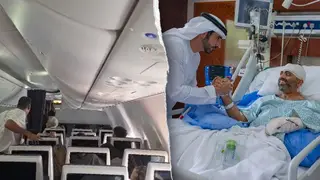
A retired Air Force and Delta Air Lines pilot expressed concern that terrorist cells could be embedded within foreign airlines following an incident where a FlyDubai copilot allegedly attacked a captain on an Israel-bound flight. The pilot argued that current vetting procedures for international airline staff rely too heavily on self-reporting and may not adequately detect radicalization. He called for the Department of Justice to investigate potential security vulnerabilities in overseas aviation operations.
The incident that sparked these concerns involved a FlyDubai Boeing 737 operating between the United Arab Emirates and Israel on September 30, 2026. During the flight, a copilot allegedly used an emergency crash ax to attack the captain, Captain Smit Machchhar, in what authorities are investigating as potentially motivated by radicalization, terrorism, or mental health crises. The aircraft carried 174 passengers and 8 crew members before making an emergency landing in Saudi Arabia.
Patterson's critique centers on the vulnerability of current personnel screening processes, which he argues depend too heavily on individuals voluntarily disclosing concerning beliefs or activities. He contends that international carriers have expanded recruitment efforts without corresponding increases in vetting rigor, potentially allowing unsuitable candidates to access sensitive cockpit positions with access to critical safety equipment.
This story could influence aviation security policy discussions at both federal and international levels. Pilots, passengers, and airline employees may face increased scrutiny or expanded security protocols if regulators respond to these concerns. The Department of Justice investigation Patterson recommends might reshape how foreign carriers' staffing practices are monitored. Additionally, the narrative may shape public perception of security gaps in international travel and influence regulatory decisions about cockpit access, crew vetting standards, and inter-agency coordination on aviation safety threats.