Iran-Based Hacker Extradited to Face Charges in Massive University Data Breach
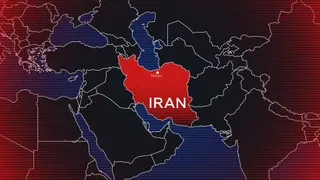
An Iranian-Turkish national was extradited from Montenegro to face charges related to a state-sponsored hacking operation that stole over 31 terabytes of academic data from more than 300 universities and institutions. The breach, attributed to Iran-based Mabna Institute and spanning from 2013 onward, resulted in damages exceeding $3.4 billion and compromised data from 144 American universities, 42 private companies, and five government agencies. The stolen intellectual property was allegedly handed to Iran's Islamic Revolutionary Guard Corps for exploitation.
The Mabna Institute operated as a coordinated cyber espionage unit beginning in 2013, systematically targeting academic institutions to acquire research and intellectual property valuable to Iranian state interests. The stolen materials—spanning cutting-edge research across multiple disciplines—were transferred directly to Iran's Islamic Revolutionary Guard Corps for strategic advantage. This breach represented one of the largest-scale academic data thefts on record, affecting institutions across North America and Europe before law enforcement intervention.
Barati's extradition from Montenegro marks an unusual breakthrough in prosecuting state-sponsored hackers, who typically operate from countries with limited extradition treaties with the United States. His specific role involved operational support: monitoring attack progress and identifying additional targets within the private sector. The case demonstrates growing international cooperation in addressing transnational cyber crimes, though the majority of the 16 other indicted individuals remain beyond U.S. jurisdiction.
This prosecution may strengthen deterrence against state-sponsored cyber operations by establishing consequences for participants, even those outside Iran's borders. Universities and research institutions could face pressure to enhance security infrastructure, potentially raising operational costs. The case may also influence diplomatic negotiations regarding cybercrime accountability and extradition protocols. However, the limited number of successful prosecutions suggests most perpetrators of state-backed attacks continue operating without legal consequences, raising questions about enforcement capacity against well-resourced adversaries.