German Energy Company Launches Specialized Power Plan for Heavy Users
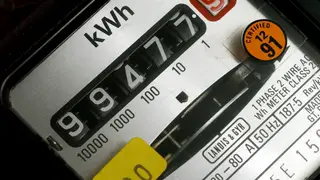
SWK Energie introduced a new electricity tariff marketed toward high-consumption households, including gaming PC enthusiasts and electric vehicle owners, requiring a minimum annual usage of 2,500 kWh to justify its higher base rate. The company claims the plan uses renewable energy and offers competitive pricing compared to standard rates, though actual savings depend on individual location and consumption patterns. The initiative represents a niche marketing approach targeting gamers while also serving households with substantial power demands from various sources.
SWK Energie's meinGAMING plan represents a straightforward commercial decision to segment the electricity market based on consumption levels rather than offering any technical advantage. The service requires customers to use at least 2,500 kilowatt-hours annually to make financial sense, a threshold achievable through various high-demand scenarios beyond gaming, including electric vehicle charging or households with numerous appliances. The company differentiates itself primarily through renewable energy sourcing claims and competitive unit rates that offset an elevated base fee structure.
The broader context reveals a widespread marketing trend where companies attach gaming branding to standard products to capture consumer attention and justify premium positioning. Examples range from gaming-themed furniture to military recruitment campaigns, with varying degrees of substantive differentiation from conventional alternatives. This approach proves particularly effective in reaching younger demographics, though consumers benefit most when underlying product quality genuinely supports the marketing claims.
The plan may benefit German households with legitimately high electricity consumption by providing rate structures aligned with their usage patterns, potentially lowering overall costs. However, the gamer-focused marketing strategy could mislead casual players into unnecessary switches. Broader implications include how utility companies increasingly segment residential markets—a trend that could either improve pricing efficiency or create confusion around rate structures. Renewable energy claims merit scrutiny to ensure marketing substance matches actual sourcing practices.