Physical AI and Robotics Emerge as Tools to Defend Critical Infrastructure
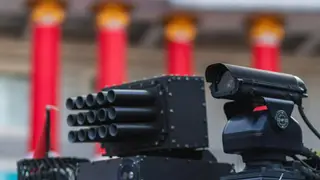
Robotics combined with artificial intelligence are being deployed to address evolving physical security threats facing critical infrastructure like data centers and manufacturing facilities. The sector faces mounting challenges from cyber-physical convergence, outdated legacy systems, and global volatility that create vulnerabilities for theft and operational disruption. With over $23 billion invested in 2026 alone in organizations developing these integrated technologies, physical AI offers adaptive and scalable solutions to keep pace with increasingly complex security landscapes.
The convergence of digital and physical security systems has created new vulnerabilities for organizations managing critical infrastructure. When networked security platforms—such as camera systems, access controls, and sensor networks—become targets for cyberattacks, the consequences extend beyond data breaches to include physical threats like theft and facility shutdown. The 2025 Jaguar Land Rover case illustrated this risk when attackers exploited compromised credentials to disrupt manufacturing operations, demonstrating how interconnected systems can amplify damage across an organization's operations.
Many facilities continue relying on older security technologies that respond to threats after they occur rather than preventing them proactively. This reactive posture becomes increasingly problematic as geopolitical tensions and economic instability create more frequent and sophisticated security threats. Newer robotic systems equipped with artificial intelligence sensors offer organizations an alternative approach by enabling continuous monitoring and real-time threat detection across facility perimeters.
The deployment of autonomous robots in critical infrastructure security could reshape how organizations protect manufacturing, data, and energy assets globally. Enterprise security teams and emergency responders may gain more efficient monitoring capabilities, potentially reducing human security personnel costs while improving response times. However, widespread adoption could raise questions about workplace displacement, data privacy from continuous monitoring, and the need for regulatory frameworks governing autonomous security systems in sensitive facilities.