International Medical Societies Revise UTI Classification Standards
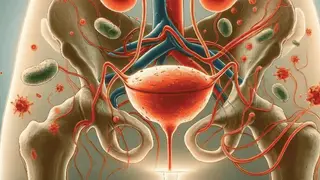
Multiple international medical organizations have released updated guidelines for managing urinary tract infections, representing a significant shift in how clinicians categorize these conditions. The new recommendations move away from traditional anatomy and risk factor-based classification systems toward a framework that distinguishes between localized and systemic infections. These changes reflect evolving clinical understanding and are intended to guide more precise treatment approaches.
Urinary tract infections represent a common clinical challenge affecting millions of patients annually. Historically, medical professionals have relied on classification schemes based on anatomical location of infection and patient risk profiles to guide management decisions. The revision by multiple international medical societies suggests the field is moving toward more unified diagnostic and treatment frameworks that may better reflect how these infections actually progress and spread throughout the body.
This shift toward distinguishing between infections contained to localized tissue versus those affecting systemic function could reshape how clinicians select interventions and monitor patient outcomes. Such classification changes typically emerge from accumulated clinical evidence and aim to reduce variability in care delivery across different healthcare settings and regions.
These revised standards could affect treatment decisions for millions of patients receiving UTI care globally. Clinicians may need training on new classification approaches, potentially requiring updates to clinical protocols and electronic health record systems. Patients could experience changes in how their infections are diagnosed and managed, though the practical effect may vary by healthcare setting and implementation speed. Insurance coverage policies might also need adjustment to align with new guideline recommendations.