Version History podcast explores Google's prototype Cr-48 Chromebook
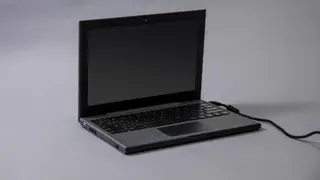
The Verge's Version History podcast episode examines the Cr-48, Google's original prototype that introduced the Chromebook concept, featuring hosts Nilay Patel and Marques Brownlee discussing its impact on computing. The Cr-48 was not released as a consumer product but served as a demonstration of a new approach to personal computing centered around cloud-based functionality. The podcast continues The Verge's ongoing exploration of iconic school technology, previously covering topics like the One Laptop Per Child initiative.
The Cr-48 represented Google's initial venture into hardware by creating a laptop prototype rather than a finished consumer product. Its austere design—unmarked and unremarkable—deliberately prioritized demonstrating a computing philosophy over commercial appeal. The device embodied a fundamental shift in how personal computers could operate, moving away from local processing toward internet-dependent workflows and cloud-based applications.
This episode fits within Version History's broader examination of educational technology's evolution. Previous installments examined the One Laptop Per Child initiative and graphing calculators, establishing a pattern of exploring how specific devices shaped classroom and learning environments. The podcast series uses these historical case studies to trace how hardware innovation influenced educational practices and student computing habits over time.
This retrospective coverage could reinforce interest in computing history among technology enthusiasts and casual consumers alike. The discussion between established tech voices may prompt audiences to reconsider how early cloud-computing concepts influenced today's device ecosystems. Understanding the Cr-48's origins could help readers contextualize current debates about device functionality, connectivity dependency, and hardware-software relationships in contemporary consumer technology markets.