Critical consensus emerges for Gears of War: E-Day with strong campaign scores across major outlets
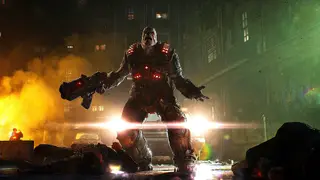
Early access reviews for Gears of War: E-Day have been released ahead of its October 6 public launch, with the prequel title earning high marks from critics with Metacritic and OpenCritic scores in the high 80s. Major reviewers praised the game's combat mechanics and character development while noting some disappointment in story execution and open-world design elements. The single-player campaign has proven compelling enough to stand alongside previous entries in the flagship Xbox shooter franchise, though multiplayer components remain untested.
Gears of War: E-Day arrived through early access on October 2, 2026, ahead of its full public release later that week. The prequel explores the backstory of series protagonists Marcus and Dom during the initial conflict with the Locust enemy faction, introducing new playable characters alongside familiar faces. Review aggregators compiled roughly 88-87 averages from major outlets, though critical opinions varied on how successfully the campaign balanced narrative depth with action-focused gameplay.
Critics particularly highlighted refinements to combat mechanics and pacing as standout achievements. Several reviewers noted tension between the game's linear campaign strengths and its experimental open-world design choices, which some found disconnected from the core experience. Multiplayer components remain unreviewed, as studios typically restrict competitive modes during early access periods to preserve launch-day experiences for the broader player community.
The game's strong reception may influence purchasing decisions among the franchise's dedicated fanbase and broader action-game audiences during a competitive quarter for releases. Its critical success could reinforce market confidence in prequel storytelling within established gaming franchises, potentially shaping how studios develop future entries. For Xbox's portfolio, positive reviews support the platform's position in competitive console gaming, though the experience's ultimate impact depends on whether player reception aligns with critic assessments and whether multiplayer components meet expectations upon full release.