WNBA players dispute team management's claims about fan conduct at Indiana Fever games
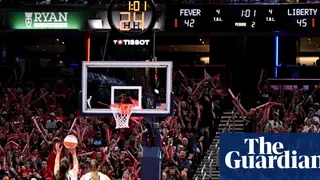
Indiana Fever players contradicted the team's general manager after she defended the franchise's fanbase against accusations of misconduct during the season. Current and former players including Brianna Turner and Kelsey Mitchell stated that problematic fan behavior is a genuine concern, challenging the GM's assertion that critics lack factual basis for their claims. The dispute follows an incident where a fan confronted A'ja Wilson during the team's playoff series with the Las Vegas Aces.
The dispute centers on whether fan misconduct at Indiana Fever games represents a genuine problem or unfounded criticism. General Manager Amber Cox stated that no fans were ejected for code-of-conduct violations throughout the season, characterizing competitive fan behavior as normal for home-court advantage. She positioned media criticism as baseless, noting that all professional sports venues occasionally experience spectator incidents requiring accountability.
However, multiple players offered a different assessment. Turner, now with Las Vegas, characterized the GM's denial as factually inaccurate, noting that complaints from players both within and outside the organization have been recurring. Mitchell expanded this perspective by discussing the emotional toll of playing for a high-profile team, suggesting that fan interactions—including negative social media messages—create a challenging work environment that may influence free-agent decisions.
This disagreement may affect how professional sports organizations address fan behavior concerns and player welfare. The conflict raises questions about whether management accountability for monitoring fan conduct aligns with player experiences and safety standards. If player retention and recruitment become influenced by fan culture perceptions, teams might face pressure to implement stronger conduct enforcement. The story also highlights potential communication gaps between organizational leadership and athletes regarding workplace conditions in sports environments.