Mars Rover Curiosity Explores Geologically Diverse Cache Creek Region
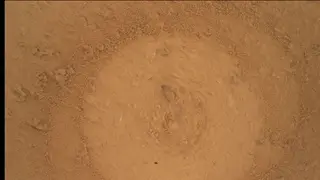
NASA's Curiosity rover has entered the Cache Creek quadrant of Gale crater, named after a geologically rich area in British Columbia known for ocean crust, marine sediments, and volcanic features similar to ancient Martian environments. The rover successfully drilled its 48th rock sample called "Basque Lakes" from this region and is preparing X-ray diffraction analysis to determine mineral composition. The Cache Creek quad was strategically chosen before landing because its diverse geology mirrors conditions that may have once existed on Mars.
NASA's Curiosity rover has now completed 48 drilling operations since beginning its exploration of Mars's Gale crater. The rover selected its current study area, Cache Creek quadrant, because the region's geological characteristics resemble conditions that may have existed during Mars's ancient past. Scientists named this zone after a Canadian location renowned for its varied rock formations, including materials formed from oceanic processes and volcanic activity.
The research team employed multiple analytical instruments to evaluate the "Basque Lakes" rock sample before drilling. The rover's laser and close-up camera examined surface textures and chemical composition, while engineers verified the rock's structural stability. Following successful extraction, the sample will undergo X-ray diffraction analysis to identify its mineral content and provide insights into how the rock formed and changed over time.
This discovery could advance understanding of Mars's habitability history, potentially informing future human exploration missions and the search for past microbial life. The detailed geological data may help scientists assess water's role in shaping Martian landscapes and environments. For the broader scientific community, continued rover findings contribute to planetary science knowledge that shapes long-term space exploration strategies and investment priorities in astrobiology research.