Russian drone attack cuts electricity to 22,000 in Poltava as energy infrastructure campaign intensifies
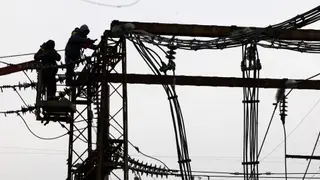
A Russian drone strike on an energy facility in Poltava Oblast on October 4 left approximately 22,000 consumers without power, with restoration efforts underway. This attack represents part of Russia's broader campaign to damage Ukraine's critical energy infrastructure ahead of winter, following a similar strike in the region just two days earlier that affected 6,000 people. Moscow has been systematically targeting power generation, transmission, and gas facilities across Ukraine, expanding the scale of infrastructure destruction compared to previous winters.
Russia's targeting of Ukraine's energy sector has become increasingly systematic as winter approaches. Poltava Oblast, which holds significant importance as a natural gas production center, has proven particularly vulnerable to these strikes. The region experienced three consecutive days of Russian attacks on gas facilities in March, and the recent escalation—with two major strikes within 48 hours—suggests Moscow is prioritizing this area as part of a broader winter offensive strategy.
The scale of current operations appears to exceed previous winters' campaigns. Beyond power generation and transmission facilities, Russian forces are now diversifying targets to include critical bridges in major cities, indicating a comprehensive effort to degrade Ukraine's overall infrastructure resilience rather than focusing solely on energy production capabilities.
The cumulative impact of repeated strikes threatens Ukraine's ability to provide heating and electricity during harsh winter months, potentially affecting millions of civilians. Communities like those in Poltava face recurring service disruptions that could strain medical facilities, water treatment systems, and emergency services. The pattern of attacks may force Ukrainian authorities to implement rolling blackouts, placing economic and public health stress on the population, while also requiring significant resources for infrastructure repair and recovery efforts during wartime conditions.