Lee Child Reveals He Personally Vetoed Tom Cruise's Jack Reacher 3
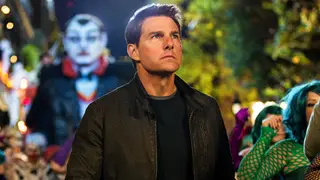
Series creator Lee Child disclosed that his original movie contract included a veto clause allowing him to block any third installment after two films, which he exercised to prevent Jack Reacher 3 with Tom Cruise from moving forward. Despite the first two films earning over $380 million worldwide and significantly expanding the character's audience, Child felt the adaptations didn't fully align with his vision of the character. The franchise was subsequently rebooted with Alan Ritchson for Prime Video's Reacher series.
Lee Child's veto clause emerged from his original film contract and represented creative control that allowed him to block further installments after the initial two movies. The author's decision came despite strong commercial performance, as the Cruise films generated substantial box office returns and introduced the character to wider audiences, with eight of Child's existing novels reaching the Top 10 bestseller lists following the first film's release.
Child's primary concern centered on how faithfully the adaptations represented his source material. Readers who were familiar with the novels expressed dissatisfaction with the cinematic interpretation, particularly regarding physical characterization. The shift to streaming television with Alan Ritchson allowed Child to explore a format offering extended storytelling time and greater flexibility in casting decisions, addressing limitations inherent to theatrical film production.
This development could influence how major authors approach contractual negotiations with studios, potentially encouraging similar creative oversight clauses in future literary adaptations. It may demonstrate that franchise success depends on more than box office earnings—audience satisfaction regarding character authenticity matters significantly. The story could affect casting discussions for book-to-screen projects, suggesting that physical fidelity to source material resonates with dedicated fan bases and may influence rights holders' decisions about creative direction.