Opinion: Tesla Should Expand Autonomous Driving Access If Safety Claims Are Accurate
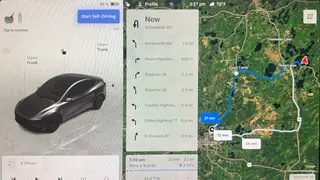
An opinion piece argues that if Tesla's Full Self-Driving technology is as safe as claimed—potentially preventing 90 percent of traffic fatalities—the company has a moral obligation to make it widely accessible rather than restricting it behind a monthly subscription fee. The author draws parallels to safety innovations like the three-point seatbelt, which were made freely available industry-wide to maximize public benefit. The argument suggests that current pricing limits the technology's life-saving potential.
The author references a significant safety comparison: in 2025, the U.S. recorded approximately 36,640 traffic fatalities, while globally roughly one million deaths occur annually in traffic accidents. Tesla's leadership has asserted that the company's autonomous driving system could potentially prevent up to 90 percent of these deaths. Currently, only 15 percent of Tesla vehicle owners with compatible hardware have adopted the technology, suggesting substantial untapped potential for wider implementation.
The piece draws a historical parallel to automotive safety innovation, citing Nils Bohlin's 1959 three-point seatbelt patent. Rather than restricting access, Bohlin made the design available to all manufacturers without charge, enabling rapid adoption across the industry. The author argues that similar logic should apply to autonomous driving technology, particularly given the stakes involved in potential life-saving applications.
This argument could influence broader discussions about pricing models for safety technologies and corporate responsibility in the automotive sector. If widely adopted, such reasoning might pressure manufacturers to reconsider how they distribute safety innovations—potentially accelerating public access to autonomous systems but also raising questions about liability, testing adequacy, and whether market-based approaches or mandates better serve public welfare. The conversation touches tensions between profitability and public health that extend beyond Tesla alone.