Gulf oil exports recover while Iran faces potential escalation amid U.S. military surge
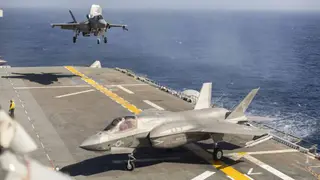
Oil exports from the Persian Gulf have recovered to approximately prewar levels, with 17.5-19 million barrels per day now flowing through alternative routes around the Strait of Hormuz, though Iran's own exports remain blocked. The U.S. military has significantly increased its presence in the region while Iran faces economic pressure from the blockade, but analysts warn the Iranian regime could escalate the conflict through attacks on infrastructure or shipping to reassert leverage. The recovery reflects a fundamentally altered export infrastructure relying more heavily on bypassing the strait through Saudi and UAE pipelines.
Gulf oil producers have successfully rerouted significant petroleum flows to bypass the Strait of Hormuz entirely, with Saudi Arabia and the UAE expanding pipeline infrastructure to carry approximately 40% of crude exports around the chokepoint—a dramatic shift from 17% pre-conflict levels. This diversification has allowed overall regional exports to approach historical volumes despite ongoing military tensions and shipping disruptions.
However, Iran remains economically isolated with its own exports effectively halted through U.S. enforcement. Analysts suggest the regime may respond by targeting Gulf energy infrastructure directly, viewing attacks on refineries and production facilities as leverage to force diplomatic concessions rather than relying solely on controlling maritime shipping lanes.
This situation affects multiple constituencies with divergent interests. Oil-consuming nations and industries benefit from restored supply flows, though elevated shipping costs and insurance premiums persist. Global consumers face continued price pressures from supply uncertainty. Gulf shipping operators and insurers operate under elevated risk. Iran's population experiences severe economic hardship from export blockades. Regional governments remain caught between supporting U.S. military presence for security and fearing economic disruption from potential infrastructure escalation, creating pressure for diplomatic resolution.