Trump Administration Rebrands AI as 'Super Intelligence' to Reshape Public Perception
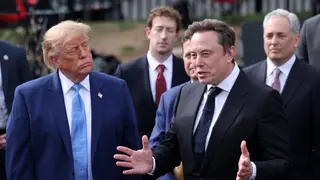
The Trump administration held a White House meeting with major AI executives to announce a shift in terminology from artificial intelligence to super intelligence, accompanied by a non-binding safety commitment. Industry observers view the effort primarily as a rebranding campaign designed to distance the technology from safety concerns while promoting innovation. The pledge lacks legal enforcement mechanisms, with administration officials describing it as morally rather than legally binding.
The White House convened a meeting with major technology leaders including Mark Zuckerberg, Jeff Bezos, and Elon Musk to formalize a commitment on AI safety practices. The gathering followed a notable shift in the administration's stance, as officials had previously opposed regulatory constraints on the technology sector. The timing was notable given that Anthropic, one of the leading AI companies, had faced criticism from the administration just days before receiving an invitation to participate in the announcement.
The safety agreement signed at the meeting contains no legal enforcement mechanisms, with administration officials characterizing it as morally rather than legally binding. Industry analysts have characterized the rebranding effort—renaming artificial intelligence to "super intelligence"—as an attempt to reshape how the public perceives the technology and its associated risks. This terminology shift was formalized through executive order, instructing government representatives to adopt the new terminology in official communications.
The rebranding and safety initiative could influence how policymakers and the public discuss emerging AI risks and benefits. The non-binding nature of the commitment may affect public confidence in corporate responsibility efforts, potentially shaping future regulatory discussions around technology development. The strategy may also influence hiring, investment decisions, and public sentiment toward AI advancement, though the long-term effectiveness remains uncertain given the agreement's voluntary structure and lack of enforcement provisions.