California Passes Law to Regulate Robotaxi Operations and Protect Emergency Responders
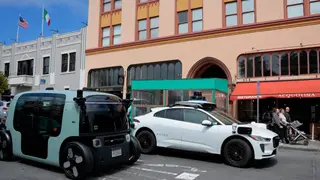
California enacted Senate Bill 1246 to establish safety standards and accountability measures for autonomous vehicle operators, requiring companies to provide local support teams and remote drivers based in the United States. The law imposes penalties including potential 30-minute blocking restrictions if robotaxis interfere with emergency services and mandates companies notify jurisdictions about vehicle locations during system failures. Implementation is scheduled for July 2028, with the Department of Motor Vehicles tasked with developing additional regulatory details.
California's new legislation addresses a growing tension between autonomous vehicle deployment and public safety operations. Recent years have documented multiple instances where robotaxis impeded emergency responders' access to scenes, occasionally requiring first responders themselves to manually move vehicles out of the way. Companies including Waymo, Tesla, and Zoox currently operate these services across California cities with minimal coordination requirements regarding emergency situations.
The regulatory framework establishes specific accountability mechanisms, including mandatory on-site support teams, U.S.-based remote operators, and notification protocols during system failures. A 30-minute operational restriction serves as the primary enforcement tool for interference violations. Implementation delayed until July 2028 allows the Department of Motor Vehicles time to develop comprehensive technical standards and operational guidelines.
This legislation could reshape how autonomous vehicle companies manage emergency interactions and liability exposure. First responders may experience reduced operational delays, while AV operators face increased compliance costs and potential service interruptions. The law's effectiveness may depend on enforcement consistency and whether similar regulations emerge in other states, potentially creating a patchwork of requirements that complicates nationwide robotaxi operations. The outcome could influence whether federal intervention becomes necessary.