Residents face multiple recovery challenges as new storm approaches following successive disasters
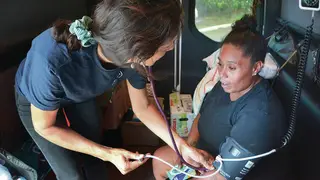
Big Island families already struggling to recover from March's Kona-low storms and August's Hurricane Lala faced additional hardship as Hurricane Nolo approached Hawaii. Communities dealing with flooded roads and limited access continued rebuilding efforts while preparing for the new threat. Health and disaster-relief organizations provided mobile services to displaced residents and families living in temporary accommodations.
The Big Island has endured a series of natural disasters within months, creating compounding hardship for residents. A Kona-low storm system struck in March, followed by Hurricane Lala in August, and then Hurricane Nolo approached in early October. These successive events have left infrastructure damaged—particularly roads and access routes—while many families remain displaced from their homes and possessions.
Recovery organizations have mobilized to address immediate and emerging needs among affected populations. Beyond emergency supplies like diapers and formula, providers identified housing stability and mental health support as critical long-term concerns as families transition from acute crisis response to sustained rebuilding.
Multiple hurricanes and severe storms striking within months could strain state and local government resources, emergency management systems, and social services infrastructure. Displaced families may face prolonged housing instability and financial hardship, potentially increasing demand for disaster assistance programs and mental health services. Repeated disaster recovery could test community resilience and create gaps in support for vulnerable populations—particularly families with young children—if aid coordination and available housing resources prove insufficient.