Moscow police arrest approximately 60 participants at Communist Party commemoration event as anti-government rhetoric emerges
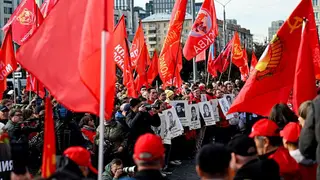
Police in Moscow detained roughly 60 people at an authorized Communist Party rally commemorating the 1993 constitutional crisis, with most arrests occurring as participants began chanting anti-Kremlin slogans such as "Down with the Tsar" and calls for political prisoner freedom. The detainees included 26 Communist Party members, 30 members of the opposition Yabloko party, and several independent activists. This incident reflects Russia's intensifying crackdown on political opposition and anti-war activism in recent years.
The rally commemorated a pivotal moment in Russian history when military forces attacked the parliament building during a power struggle in the early 1990s. The event itself had official permission from Moscow authorities, but the situation escalated as demonstrators began expressing dissent about governance, elections, and treatment of political prisoners. The diverse composition of those detained—spanning Communist Party members, liberal opposition figures, and independent activists—suggests the gathering attracted people across different political perspectives united by shared grievances.
Russia's restrictions on opposition activity have intensified notably in recent years. The government recently barred an opposition party from participating in elections and arrested several activists associated with peace movements. These enforcement actions reflect a pattern of limiting political expression beyond what authorities initially authorize, even when events receive prior approval.
The detentions may signal how authorities manage permitted demonstrations in practice, potentially deterring future political gatherings despite official authorization policies. For opposition groups, the arrests could complicate efforts to mobilize supporters if authorized events risk detention. Broader implications include questions about the distinction between permitted and suppressed political expression, and whether public demonstration remains a viable avenue for dissent in Russia's current environment.