Anime Series Deploy Superior Battle Storytelling Than Bleach's Latest Arc
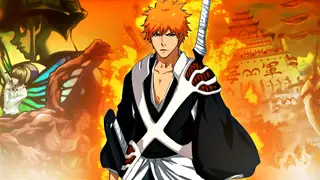
While Bleach's recently adapted Thousand-Year Blood War features impressive animation and combat sequences, several anime have crafted more compelling warfare narratives through stronger character development and meaningful stakes. Series like Attack on Titan demonstrate that effective conflict storytelling requires more than visual spectacle, instead blurring moral lines and forcing characters to examine their motivations. The article examines anime that prioritize strategic depth and emotional weight over action sequences.
The article evaluates Bleach's Thousand-Year Blood War adaptation against competing anime war narratives, noting that while Studio Pierrot's animation and character moments are visually impressive, the conflict lacks the narrative complexity found elsewhere. Attack on Titan is cited as superior for its moral ambiguity—the Raid on Liberio demonstrates how warfare consequences perpetuate cycles of retaliation across opposing factions, with individual character deaths driving emotional stakes rather than serving as mere plot points.
The Fourth Great Ninja War from Naruto: Shippuden receives praise for conveying genuine large-scale conflict involving multiple nations and leaders, suggesting Bleach's adaptation could benefit from similar worldbuilding scope. The analysis emphasizes that effective war storytelling requires strategic depth, character motivation clarity, and emotional weight beyond spectacle.
This critique may influence how anime studios approach adaptation priorities, potentially encouraging greater focus on narrative complexity alongside animation quality. Casual viewers and dedicated anime fans could adjust their viewing expectations based on comparative analysis of war arcs. The discussion contributes to broader industry conversations about balancing visual spectacle with substantive storytelling, which could affect future production decisions and critical reception standards within the anime community.