Electric Peugeot Compact Car Delivers Practical Island Mobility in Sardinia Test
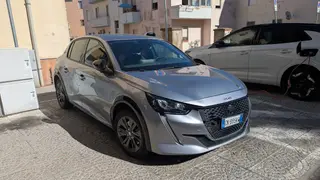
A CleanTechnica writer tested the Peugeot E-208 electric vehicle while vacationing in Sardinia, finding it well-suited for island driving where high petrol prices make electric alternatives economically attractive. The compact car offers either 363 km or 433 km of range depending on battery size, with starting prices around €34,480 in Italy, representing a significant premium over the gasoline version. The reviewer noted comfortable seating and quiet operation enhanced the vacation experience, though cargo space proved somewhat limited.
The Peugeot E-208 represents a vehicle design strategy that prioritizes affordability by adapting existing internal combustion platforms for battery power, rather than developing purpose-built electric architectures. This approach means the compact car forgoes features common in dedicated EVs, such as front trunk space or underfloor storage, and exhibits reduced highway efficiency due to less optimized aerodynamics. The entry-level model produces adequate performance for daily driving through electric motor characteristics rather than raw power output.
Island destinations like Sardinia present particularly favorable conditions for EV adoption, where fuel costs exceed €2 per liter and driving distances typically remain moderate. The combination of high petrol prices, established charging infrastructure in populated areas, and relatively constrained daily travel ranges creates an economic incentive for electric vehicle adoption that may not exist in regions with lower fuel costs and extensive highway networks.
This review may influence purchasing decisions among European consumers considering compact vehicles for urban and regional mobility, particularly those living in areas with elevated fuel costs. The affordability consideration—despite the €16,000+ price premium over gasoline equivalents—could demonstrate that EVs become economically competitive in high-fuel-cost markets. The charging infrastructure challenges noted may inform expectations for EV feasibility in less-developed tourism regions, potentially shaping both consumer confidence and rental car company fleet strategies across southern European destinations.