Colorado Valley Faces Difficult Choice Between Farm Viability and Aquifer Depletion
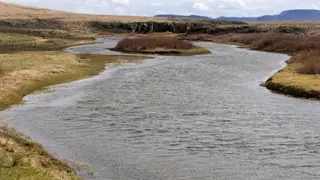
The San Luis Valley in Colorado faces a critical decision as its aquifer reaches record lows due to decades of overpumping and ongoing drought conditions. Proposed groundwater management plans would significantly increase pumping fees for thousands of farmers, potentially forcing agricultural operations to close while alternative inaction risks widespread future well shutoffs. Water regulators acknowledge the region is trapped between economic devastation and environmental collapse with no clear path forward.
The San Luis Valley's water crisis stems from a combination of long-term human demand and climate-driven supply changes. Snowmelt feeding the Rio Grande has declined significantly over recent decades, reducing surface water availability that traditionally recharged groundwater systems. Meanwhile, agricultural operations have increasingly relied on pumping from underground reserves to compensate for shrinking surface flows, creating an unsustainable cycle of extraction exceeding natural replenishment.
The proposed fee increase represents one of several interventions attempted over the past 14 years, though previous conservation efforts have proven insufficient. Water regulators now face a threshold decision: implement economically disruptive restrictions immediately, or risk forced well shutdowns that could eliminate agricultural operations entirely. The Colorado water court's forthcoming ruling may set precedent for how other water-stressed regions balance environmental restoration against economic preservation.
This dispute may influence how rural agricultural communities nationwide respond to water scarcity—whether through proactive fee structures that gradually adjust farming practices, or reactive crisis management that causes sudden economic collapse. The outcome could affect food production costs, rural employment, and groundwater management policy across the West. Additionally, the case may establish legal frameworks for weighing current economic hardship against long-term aquifer sustainability, potentially shaping water allocation decisions in other climate-vulnerable regions facing similar resource constraints.