Formula 1's Global Expansion Leaves Some Devoted Followers Questioning the Sport's Direction
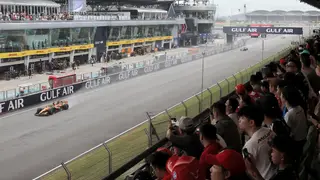
The Bahrain Grand Prix held in Malaysia has sparked concerns among longtime Formula 1 enthusiasts about whether the sport's rapid growth has compromised its core identity. The event served as a reminder of tensions between the series' commercial expansion and the preferences of established fans who worry the sport is overextending itself.
Formula 1 has undergone significant geographic diversification in recent years, with events now taking place across multiple continents to reach new audiences and markets. This strategy has generated debate within the fan community, with some questioning whether the pursuit of international expansion and commercial opportunities has shifted the sport away from its traditional values and character.
The tension between growth and heritage reflects a broader challenge facing established sporting franchises: balancing the desire to attract new fans and sponsors with the preferences of longtime enthusiasts who feel a deep connection to how the sport has historically been run and presented.
Formula 1's expansion strategy could reshape the sport's global influence by attracting audiences in emerging markets while potentially altering fan demographics and engagement patterns. Long-established supporters may reduce their involvement if they perceive fundamental changes to the sport's identity, affecting viewership and community loyalty. Conversely, new audiences may inject fresh commercial vitality and ensure the sport's long-term sustainability, though achieving this balance remains contentious among stakeholders.