Jake Xerxes Fussell Reimagines Folk History Through Centuries-Old Ballads and Blues
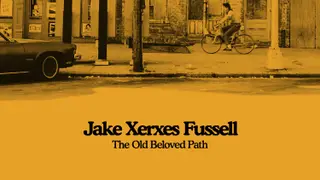
Jake Xerxes Fussell's new album draws from traditional folk sources spanning from 18th-century Irish ballads to blues standards, weaving them into coherent contemporary arrangements. The record features meditative production by Ben Whiteley and showcases Fussell's ability to extract obscure historical songs and transform them through his plaintive baritone and fingerpicking technique. The album populates its sonic landscape with nomadic characters—sailors, drifters, and wanderers—all seeking redemption or fresh beginnings.
Jake Xerxes Fussell's career has centered on excavating obscure historical musical material and reshaping it through contemporary production approaches. For his latest release, he collaborated with producer Ben Whiteley alongside additional musicians including multi-instrumentalists Isa Burke and Dominic Billet to create arrangements that honor traditional sources while establishing a unified artistic direction. The album draws from a wide chronological range, including material from the 18th century as well as songs documented in influential folk music collections.
The record's thematic coherence emerges through its recurring character archetypes—displaced persons seeking stability or escape, from maritime workers to cross-country travelers. Even historical figures like Napoleon receive reinterpretation within this framework, positioned as figures caught between worlds. This approach allows Fussell to find emotional resonance in centuries-old material by identifying universal human experiences embedded in traditional narratives.
This album may appeal to listeners seeking alternatives to contemporary popular music consumption, potentially widening audiences for traditional folk material among younger demographics. The work could influence how musicians approach historical sources, demonstrating that archival research need not result in strict preservation but can instead fuel innovative reinterpretation. Additionally, the project may contribute to ongoing cultural conversations about how societies preserve and evolve inherited artistic traditions within modern contexts.