Defending the Ocarina of Time Remake's Divisive Art Style
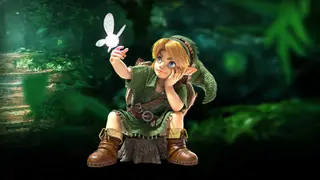
Nintendo's upcoming remake of The Legend of Zelda: Ocarina of Time generated significant controversy following its September 2026 reveal due to its new visual direction. Critics have drawn comparisons between the game's detailed aesthetic and generative AI art, triggering visceral reactions from some players. The article argues that cultural cynicism may be preventing audiences from appreciating the artistic choices in the remake.
Nintendo unveiled a reimagined version of its classic 1998 action-adventure title during a September 2026 presentation marking four decades of the Zelda franchise. The remake's visual presentation generated substantial player backlash, with observers noting similarities between the game's densely detailed character models and the aesthetic qualities commonly associated with AI-generated imagery that has proliferated across digital platforms in recent years.
The franchise has encountered previous artistic controversy, most notably following a 2000 technical demonstration that featured a stylistically mature interpretation of the protagonist. Fan communities have long created alternative visual concepts for Zelda titles, frequently incorporating photorealistic rendering techniques. The author argues that dismissing the remake through established critical frameworks may prevent genuine engagement with Nintendo's intentional creative direction.
This controversy may influence how major publishers approach visual remakes of beloved properties, particularly regarding the balance between fan expectations and artistic innovation. The incident reflects broader cultural tensions surrounding both generative AI concerns and the relationship between game developers and fan communities. The discourse could shape industry decisions about remake aesthetics and audience communication strategies, potentially affecting how studios justify unconventional creative choices to established fan bases.