Marquez's Subdued Celebrations Reflect Shift in Racing Philosophy
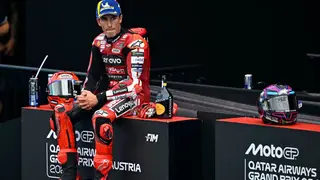
Marc Marquez has notably refrained from celebrating victories in recent MotoGP sprint races, including a win at Motegi, signaling a deliberate change in his approach to racing. The Ducati rider's more reserved demeanor masks a deeper mental shift that goes beyond typical post-race emotions. This transformation reveals how elite competitors continuously evolve their mentality to maintain competitive edge.
Marc Marquez's recent approach to victory in MotoGP sprint competitions has become noticeably restrained compared to his previous pattern of enthusiastic celebration. His win at Motegi exemplified this shift, with the Ducati rider maintaining a composed demeanor in the aftermath. This measured response appears intentional rather than circumstantial, suggesting a recalibration of how he processes competitive success.
The change points to evolving psychological strategies among top-tier motorsport athletes. Rather than viewing celebrations as mere emotional release, elite competitors increasingly recognize mental discipline as integral to sustained performance. Marquez's transformation underscores how professional racing demands continuous refinement of mindset and approach, extending beyond technical skill to encompass emotional regulation and focus management.
Marquez's philosophical shift may influence how racing fans and emerging competitors perceive victory and success within motorsport culture. If widely adopted, such reserved approaches could reshape expectations around post-race conduct and celebration norms. Additionally, this evolution in mental preparation strategies could impact sports psychology methodologies across competitive disciplines, as teams study how elite athletes maintain competitive advantage through psychological discipline rather than external expression alone.