Ukraine reports cumulative Russian casualty toll exceeds 1.5 million since invasion start
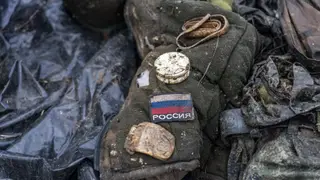
Ukraine's General Staff reported that Russian forces have sustained approximately 1.54 million total casualties since the February 24, 2022 full-scale invasion began, including 2,020 losses in the previous day alone. The reported losses also encompass substantial equipment destruction including over 12,000 tanks, 25,000 armored vehicles, and hundreds of aircraft and helicopters. Independent Western assessments suggest Russian casualties significantly outpace Ukrainian losses at a ratio of roughly 2.5:1 or 2:1, with Ukraine estimated to have suffered between 500,000 and 600,000 total casualties through December 2025.
Ukraine's military leadership has documented extensive Russian equipment losses alongside the personnel casualty figures. The reported destruction includes thousands of armored vehicles, artillery systems, and air assets, representing substantial material degradation of Russian military capacity over the nearly four-year conflict. These equipment losses compound the human cost and affect Russia's ability to sustain operations.
Independent research organizations have attempted to establish comparative casualty metrics between the two nations. Western assessments indicate Ukrainian forces have sustained roughly half the casualties attributed to Russian forces, though precise Ukrainian figures remain undisclosed for military reasons. The difficulty in recovering and identifying fallen soldiers on both sides complicates accurate accounting.
High casualty tolls in prolonged conflicts can influence military planning, public morale, and diplomatic negotiations on both sides. Documented personnel and equipment losses may impact Russia's capacity to maintain current operational tempo and could affect recruitment and resource allocation. These figures may also influence international perceptions of the conflict's trajectory and shape discussions regarding potential settlement negotiations, though casualty statistics alone rarely determine conflict outcomes.