Artificial Intelligence Slashes Political Ad Production Costs, But Effectiveness Remains Uncertain
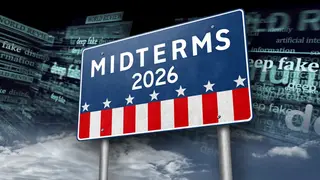
Artificial intelligence technology is enabling campaigns to produce political advertisements and attack content at unprecedented speed and minimal cost, with hundreds of AI-generated ads already appearing in federal and gubernatorial races. The technology has transformed expensive creative work into quickly disposable content, democratizing access to sophisticated campaign tools for candidates with smaller budgets. However, political strategists acknowledge that technological capability does not necessarily translate into electoral success.
The deployment of AI in campaign advertising has created a measurable shift in production economics. Tracking organizations have documented between 29 and 164 AI-influenced political advertisements across federal and gubernatorial races, though precise tallies remain difficult due to inconsistent disclosure practices. This expansion reflects the technology's capacity to compress what traditionally required multi-day production cycles involving specialized creative teams into processes completed within hours.
Industry professionals recognize a distinction between technological capability and strategic effectiveness. While consultants across party lines acknowledge AI's efficiency gains and cost reduction benefits candidates with limited budgets, veteran strategists emphasize that producing content at scale does not guarantee electoral impact. The consensus suggests that successful campaigns require integrating AI tools within broader messaging strategies rather than treating the technology as an independent solution.
AI-enabled political advertising could reshape campaign resource allocation, potentially allowing smaller-budget candidates greater competitive reach against well-funded opponents. However, the technology's democratizing effects may also increase voter exposure to high-volume messaging, possibly affecting information quality and attention fragmentation. The uncertain relationship between ad volume and electoral outcomes raises questions about whether this efficiency gain translates into meaningful shifts in voter behavior or campaign results, with broader implications for campaign finance dynamics and campaign-to-voter communication patterns.