CircuitMess launches customizable 4G smartphone kit with modular hardware and AI-assisted coding
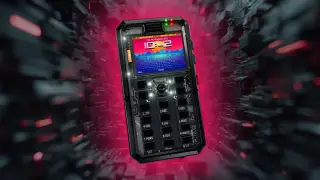
CircuitMess unveiled MAKERphone 2.0, an open-source 4G cellular phone that users assemble and program using MicroPython or Arduino C++, with no soldering required. The device features a modular expansion port accepting six plug-in modules including cameras, speakers, and a prototyping board for custom sensor development. The Kickstarter campaign prices the phone at $129, and includes access to VibeBoy, the company's AI coding tool with multiple skill levels.
CircuitMess's second-generation device represents a significant accessibility improvement over its predecessor, reducing assembly time from seven hours to two while eliminating soldering entirely through a click-and-screw design. The phone functions as a genuine cellular device capable of making calls and sending texts once a SIM card is inserted, distinguishing it from educational simulators.
The modular expansion system uses a standardized UMAX port that automatically recognizes attached hardware, allowing users to progressively add capabilities like imaging, audio output, or environmental monitoring. The inclusion of a blank prototyping board enables users to design and integrate custom sensors, extending the device's functionality beyond pre-built modules.
MAKERphone 2.0 may influence how technology education reaches younger audiences by making smartphone internals transparent and programmable rather than proprietary. The device could appeal to parents seeking alternatives to commercial phones for children, while potentially cultivating interest in embedded systems and coding among beginners. However, real-world adoption may depend on whether the ecosystem of modules and community-created projects develops sufficiently to sustain user engagement beyond the initial assembly experience.