Regulatory Failure Exposed as Oil Company Seals Illegal Wastewater Well Near Municipal Water Supply
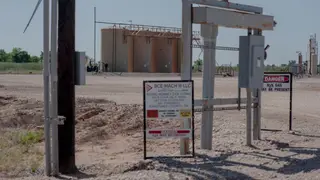
An investigation by The Frontier and ProPublica revealed that Oklahoma regulators violated state law by approving an oil disposal well less than a quarter-mile from Enid's public water wells without holding a required hearing. The well operator subsequently permanently sealed the Flying Monkey well after the city filed a complaint challenging its permit. The case illustrates how regulatory agencies have approved industrial operations in violation of rules specifically designed to protect public drinking water sources.
The Flying Monkey well had demonstrated reliability problems well before its closure. Between 2021 and the time of its shutdown, the facility failed five structural integrity tests—examinations designed to detect breaches that could allow hazardous materials to migrate toward drinking water sources. Each failure represented a potential risk to Enid's water supply system.
The regulatory violation at the center of this case involved a procedural requirement with public health implications. State law mandates a formal hearing process before wastewater injection operations can be permitted within a half-mile radius of municipal water sources. The original operator's permit application contained a false statement regarding the well's proximity to Enid's groundwater wells, and regulators approved the permit without conducting the legally required hearing.
This case illustrates potential vulnerabilities in how industrial operations near public water infrastructure are overseen. The incident may prompt review of permit approval procedures and verification practices at state regulatory agencies. For residents of small municipalities with limited resources, such regulatory gaps could affect water safety protections. The permanent closure removes one identified risk, though questions may remain about whether similar compliance failures exist elsewhere in the state's permitting system.