Public Confidence in Higher Education Declining Amid Broader Concerns
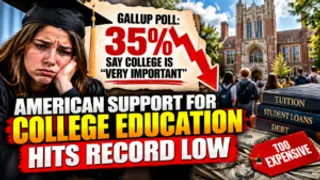
American households are increasingly questioning the value proposition of pursuing a college degree as confidence in higher education wanes. Cost represents one factor in declining enrollment interest, but underlying concerns extend beyond tuition expenses. The shifting attitudes signal a fundamental recalibration of how families evaluate educational pathways.
The erosion of public trust in higher education reflects a reassessment of whether a traditional four-year degree justifies its financial burden and opportunity costs. Families are weighing alternatives as they question whether the promised return on educational investment aligns with actual labor market outcomes and student debt obligations.
This skepticism encompasses more than price sensitivity alone. Concerns about institutional quality, curriculum relevance, campus culture, and career readiness are shaping enrollment decisions alongside financial considerations, suggesting families view higher education through a more critical lens than previous generations.
Declining confidence in higher education could reshape workforce preparation strategies, potentially accelerating interest in alternative credentials, vocational training, and apprenticeships. Universities may face enrollment pressures that affect institutional budgets and research capacity. The shift could influence student loan markets, regional economies dependent on campus activity, and labor supply in fields requiring advanced degrees. Policymakers may encounter pressure to address affordability and perceived value concerns to maintain higher education's role in social mobility and economic competitiveness.