Silencio Paris Marks 15 Years as a Hub for Experimental Culture and Artistic Collaboration
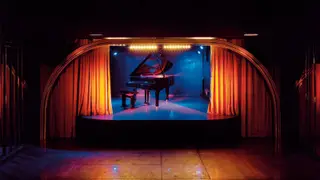
Silencio, the Paris nightclub originally conceived by filmmaker David Lynch, celebrates its fifteenth anniversary as a venue where cinema, music, art, and literature converge beyond the typical nightclub experience. Since opening in 2011 in the former printing rooms of L'Aurore, founder Arnaud Frisch has hosted performances by global artists including Prince, Björk, and Kendrick Lamar, while welcoming filmmakers, photographers, and writers into its creative ecosystem. The venue's success stems from its commitment to fostering authentic cultural meaning rather than manufactured entertainment, creating a space where diverse creative disciplines naturally intersect.
Silencio emerged from a unique convergence of cinema and nightlife culture. The venue's physical location in a repurposed newspaper printing facility provided an architecturally distinctive setting that complemented its artistic mission. Over its fifteen-year operation, the club has attracted an international roster of performers spanning multiple creative disciplines, establishing itself as a destination where conventional entertainment boundaries dissolve.
Founder Arnaud Frisch's approach reflects his evolution through Paris's electronic music landscape during the 1990s. Rather than replicating a single successful formula across multiple venues, his portfolio of clubs—including Social Club, Wanderlust, Salò, and FVTVR—demonstrates responsiveness to specific locations and their communities. This philosophy positions each space as contextually distinct, allowing Silencio to serve audiences seeking cultural experiences beyond traditional nightclub offerings.
Silencio's sustained success may indicate shifting leisure preferences among urban travelers and residents who prioritize multidisciplinary creative experiences. The venue's model could influence how cultural institutions and hospitality spaces conceptualize programming, potentially encouraging greater integration of film, performance, visual art, and music rather than maintaining rigid categorical separation. This trend may reshape destination appeal for culturally-engaged audiences globally, though the replicability of Silencio's particular formula—dependent on specific location, curatorship, and accumulated cultural momentum—remains uncertain.