A Quarter-Century Success: How Flexform's Minimalist Sofa Design Defied Expectations
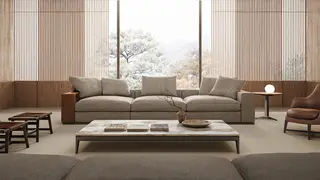
Designer Antonio Citterio's Groundpiece sofa, created in 2001 with inspiration from minimalist artist Donald Judd, has become one of Flexform's best-selling pieces despite initial doubts about its unconventional approach to seating. The design combines low proportions with generous cushioning and understated natural materials like linen and cashmere to balance comfort with sophisticated style. Twenty-five years after its debut, the collection remains popular, demonstrating how thoughtful design can achieve lasting relevance by anticipating evolving lifestyle needs.
Antonio Citterio's approach to the Groundpiece drew inspiration from minimalist visual art, particularly the geometric forms found in Donald Judd's sculptural works. By translating these artistic principles into functional furniture, Citterio created an object that blurs the boundary between fine art and domestic utility. The piece's success was initially uncertain, as its unconventional proportions and simplified aesthetic challenged conventional expectations about what a sofa should be.
The sofa's enduring market position has been reinforced through strategic visual documentation. Rather than relying on a single signature photograph, Flexform engaged multiple acclaimed photographers to capture the collection in diverse contexts, treating the furniture as a cultural artifact worthy of artistic interpretation. This approach has helped maintain the design's relevance across generational shifts in taste and interior aesthetics.
The Groundpiece's quarter-century relevance may influence how furniture designers and manufacturers approach longevity in product development. By demonstrating that anticipating lifestyle flexibility—through modularity and multifunctional design—can create durable market appeal, the sofa could encourage broader industry investment in adaptable rather than trend-driven pieces. This approach may affect consumer purchasing patterns by valorizing timeless design over frequent replacement, potentially shifting both retail cycles and sustainability considerations in the home furnishings sector.