Corn Harvest Loss From Butt Shelling Can Cascade Into Next Year's Soybean Damage
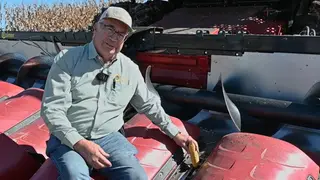
Kernels shed during corn harvesting create immediate losses but also spawn volunteer corn that can reduce soybean yields by as much as 22 percent the following season. An experienced farmer and equipment manufacturer identifies three primary causes of kernel loss: genetic traits of the corn variety, moisture levels at harvest time, and the speed at which the combine head processes the crop. Diagnosing the root cause before adjusting equipment settings is essential to preventing compounded losses across consecutive growing seasons.
Corn kernels that fall during harvest represent a dual economic threat to farming operations. Unharvested kernels left in fields germinate the following season, producing volunteer corn plants that compete aggressively with planted soybeans for nutrients, water, and sunlight. Research indicates this competition can suppress soybean yields by more than one-fifth, compounding the initial harvest loss across consecutive growing seasons and significantly reducing farm profitability.
The challenge for equipment operators lies in identifying the root cause of kernel loss before adjusting machinery. Corn variety characteristics, harvest-time moisture content, and the speed at which harvesting equipment processes crops each play distinct roles. A methodical diagnostic approach—examining fallen kernels in the field and making single adjustments at a time—allows farmers to address the actual problem rather than applying blanket equipment modifications that may prove ineffective or create additional complications.
This story may influence how thousands of grain farmers approach harvest operations, potentially affecting crop yields across major agricultural regions. Improved diagnostic practices could reduce compounded losses and stabilize farm economics, while the cascading nature of harvest decisions across consecutive seasons underscores broader agricultural sustainability concerns. Agricultural equipment manufacturers and extension services could see increased demand for training resources addressing harvest optimization and cross-season crop management strategies.