Ukraine Poised for EU Accession Progress as Parliamentary Vote on Minority Rights Looms
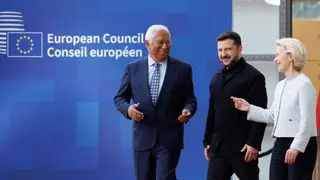
President Zelensky is expected to attend an EU summit on October 15 if Ukraine's parliament passes a law protecting Hungarian-speaking minorities by October 12, removing Hungary's veto on Ukraine's accession process. Success would unlock two additional enlargement clusters focusing on economic reforms, with formal procedures potentially completed by October 14. This would mark significant progress in Ukraine's path toward EU membership despite ongoing wartime challenges.
Ukraine's EU membership pathway has faced delays despite progress on reform clusters. The Ukrainian government committed to Hungary in July to enact minority protections but only recently moved toward fulfilling that obligation. Hungary's blocking position stemmed from concerns about its ethnic minority population within Ukraine, demonstrating how individual member states can influence the bloc's enlargement timeline through specific policy requirements.
The accession process divides reforms into six thematic clusters, with Ukraine having completed initial work on two. The remaining clusters address economic sectors where competitive concerns exist, particularly regarding Ukraine's agricultural and transport industries. EU officials anticipate completing all cluster openings by year's end, though procedural steps and individual member state reservations could affect the timeline.
The story's resolution could affect Ukraine's wartime governance by requiring rapid legislative action during active conflict, potentially straining parliamentary resources. Success may strengthen Ukraine's institutional alignment with EU standards and signal commitment to democratic reforms, which could influence Western support strategies. For the EU, advancing Ukraine's accession amid broader enlargement discussions may shape the bloc's eastern security posture and economic integration plans. Hungary's role illustrates how minority rights issues intersect with enlargement politics, potentially affecting future accession negotiations across the region.