Trump Administration Backs Right-Wing Candidate in Brazil's Presidential Runoff
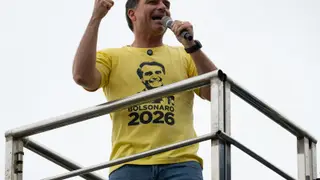
The Trump administration has actively supported Flávio Bolsonaro, son of former Brazilian President Jair Bolsonaro, who advanced to a presidential runoff against incumbent leftist Luiz Inácio Lula da Silva. The White House has been instrumental in elevating conservative candidates across Latin America, including efforts in Colombia, Argentina, and Venezuela, as part of a broader strategy to expand Trump's regional influence. The contest reflects growing tensions between the Trump administration and Brazil, including disputes over election interference accusations and threats of tariffs related to the elder Bolsonaro's conviction.
The Trump administration's involvement in Brazil's election represents part of a coordinated effort to shift Latin American politics rightward. Over eighteen months, seven right-wing leaders have secured presidential victories across the region, with Trump publicly claiming credit for many of these outcomes. The administration's strategy has included direct campaign support and diplomatic interventions, though these efforts have occasionally backfired—Brazil rejected visa applications for State Department officials investigating electoral integrity, characterizing the move as foreign interference.
The conflict between the Trump administration and Brazil's government extends beyond electoral politics. The conviction and imprisonment of former President Bolsonaro on charges related to an alleged coup plot created significant tension, with Trump threatening economic sanctions he described as responses to a "witch hunt." Lula's government proceeded with prosecution regardless, and the relationship deteriorated further during a White House meeting and subsequent disputes over international forums.
The outcome of Brazil's runoff election could significantly influence U.S.-Latin American relations and regional political alignment. A Bolsonaro victory might strengthen Trump administration influence in South America but could deepen conflicts with countries pursuing independent judicial proceedings. Conversely, a Lula win may reinforce resistance to external electoral pressure from Washington. The broader pattern of U.S. intervention in regional politics may affect international norms around democratic sovereignty and create complications for trade, immigration, and security partnerships across the hemisphere.