South African Farmers Face Wage Obligations Despite Foot-and-Mouth Crisis
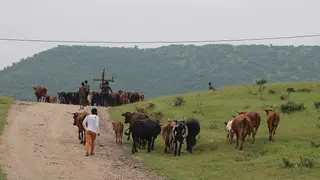
South African farmers experiencing losses from foot-and-mouth disease outbreaks across all nine provinces remain legally required to pay the hourly minimum wage of R30.23, with limited exemption options available. While the government has imported or produced 21 million vaccine doses in 2026, local production by the Agricultural Research Council covers only a fraction of demand. Distressed employers may apply for temporary exemptions but must still pay at least 90% of the minimum wage floor.
South Africa's agricultural sector confronts a dual crisis: simultaneous disease pressure and rigid labor cost floors. The foot-and-mouth outbreaks spanning all provinces threaten livestock holdings across the country's farming base. The government's vaccine response, while substantial in absolute terms, relies heavily on imports—nine million doses from Argentina among the 21 million total—while domestic production through the Agricultural Research Council remains a minor contributor to overall supply needs.
The exemption mechanism available to employers offers limited relief. Farmers seeking wage reductions must navigate a consultative process, demonstrate financial distress through multiple metrics, and accept that any reduction cannot exceed 10 percent of the statutory rate. Even with approval, such exemptions expire within a year, requiring reapplication if conditions remain difficult.
The convergence of disease outbreak and wage obligations creates economic pressure on farming operations that could reshape rural employment and production patterns. While minimum wage protections theoretically shield vulnerable workers from employer hardship, the exemption process may exclude many struggling farms unable to meet documentation requirements or facing rejection. The outcome could determine whether affected operations maintain workforce levels, reduce hours, or consolidate operations—each carrying distinct social consequences for rural communities dependent on agricultural employment.