European EV Market Expands Sharply With Budget-Friendly Models Becoming Mainstream
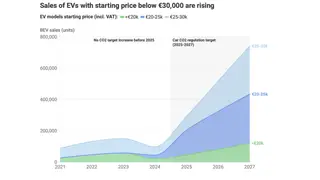
Affordable electric vehicle sales in Europe are expected to increase sevenfold between 2024 and 2026, driven by EU emissions regulations that have spurred the launch of nearly 60 new models. The availability of sub-€25,000 electric cars is finally meeting long-standing consumer demand and demonstrating that market appetite for smaller, cheaper EVs exists when manufacturers supply them. Industry experts warn that weakening these regulatory targets could halt the momentum in affordable model development and undermine European automakers' competitive position globally.
The surge in affordable EV availability stems directly from regulatory pressure. Between 2021 and 2024, manufacturers faced flat emissions targets that discouraged investment in lower-priced models. The shift to rising targets from 2025 onward has fundamentally altered incentive structures, prompting automakers to develop compact, budget-conscious vehicles to maintain compliance. This regulatory framework has coincided with geopolitical energy disruptions, making electric vehicles increasingly attractive on economic grounds beyond environmental considerations.
Consumer response has definitively refuted earlier industry arguments about lack of demand. The rapid sellout of models like the VW ID. Polo demonstrates that price-sensitive buyers have awaited these options. With over 150 mass-market battery-electric vehicles now available and approximately 60 additional models launching through 2026, European consumers finally have the product selection necessary to make meaningful purchasing decisions in the affordable segment.
This market expansion could significantly reshape European transportation patterns and energy security. Lower-income households and price-conscious consumers may gain greater access to electric mobility, potentially reducing household fuel expenses and exposure to volatile oil markets. However, the analysis suggests regulatory stability remains critical—policy reversals could halt momentum in affordable model development, potentially widening the gap between wealthy and economically disadvantaged motorists in accessing clean technology. Competitive implications for European automakers in global markets may also hinge on maintaining sufficient regulatory pressure to drive innovation.