Automakers Target Middle East Market as Global EV Adoption Accelerates Despite Political Headwinds
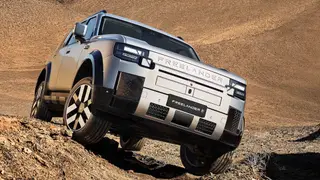
Chinese automaker Chery and Jaguar Land Rover are launching the Freelander EV brand in the Middle East, marking a strategic push to establish electric vehicles in oil-producing nations experiencing economic diversification. Global sales of gasoline-only vehicles recently dropped below 50 percent for the first time, reflecting broader momentum toward electric mobility even in traditionally oil-dependent regions. The partnership demonstrates how EV expansion is creating opportunities in emerging markets as governments and consumers worldwide embrace zero-emission transportation.
The Freelander EV represents a notable collaboration between Chinese and British automotive expertise, with Jaguar Land Rover handling vehicle design while Chery manages manufacturing and technology development. Originally launched as a gasoline-powered SUV in 1997, the Freelander brand disappeared from markets by 2015 before being revived as an all-electric platform in 2024. This resurrection reflects how established automotive brands are being repositioned within the EV transition.
The Middle East's growing openness to electric vehicles stems from deliberate economic diversification strategies among oil-producing nations. Saudi Arabia, for instance, has invested significantly in Lucid Motors and domestic EV manufacturing capabilities, signaling a shift away from petroleum-dependent economies. Multiple dealer partnerships already secured in the UAE suggest coordinated regional infrastructure development supporting broader EV market expansion across the Gulf region.
This market expansion could accelerate EV adoption in regions historically dependent on fossil fuel revenues, potentially reshaping transportation infrastructure and energy consumption patterns across the Middle East. Such developments may encourage other automakers to develop region-specific electric vehicles, fostering local manufacturing ecosystems and employment. However, the success of these initiatives may depend on charging infrastructure development, consumer acceptance, and sustained government support for zero-emission mobility despite fluctuating oil revenues and geopolitical considerations.