Former Hungarian Foreign Minister Faces Scrutiny Over Conflict of Interest With Chinese Automaker BYD
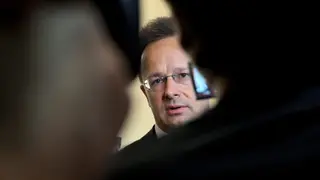
Hungary's ex-Foreign Minister Péter Szijjártó was questioned by parliament regarding his transition to an executive position at Chinese electric vehicle manufacturer BYD after facilitating the company's European expansion and securing $63.7 million in government subsidies. While serving as foreign minister, Szijjártó negotiated BYD's first European factory location and additional investments in Hungary, prompting accusations that his subsequent employment represents a conflict of interest. Current Prime Minister Péter Magyar has announced an investigation into all state commitments and decisions related to the BYD deals made under the previous administration.
Szijjártó's career trajectory illustrates the complex relationship between Hungary and Chinese investment in recent years. During his 12-year tenure as foreign minister under Viktor Orbán, he spearheaded multiple deals with Chinese firms seeking to establish manufacturing operations in Hungary, particularly focusing on battery production for electric vehicles. The BYD arrangement represented the culmination of these efforts, positioning Hungary as a potential European manufacturing hub for Chinese automotive technology.
The new Magyar administration's scrutiny reflects broader concerns about governance standards and fiscal responsibility. The incoming government has signaled its intention to review not only the BYD commitments but also oversight of the battery sector more broadly, citing workplace safety incidents and environmental contamination issues at existing facilities that emerged after the previous administration's investments were made.
This situation could affect Hungary's international investment reputation and domestic governance standards. Investors may reassess the reliability of government commitments if investigations reveal improper conduct, potentially influencing future foreign capital flows. Domestically, the scrutiny may establish precedents regarding transparency in high-value state subsidies and executive employment practices. The outcome could also influence how similar transitions from public service to private sector roles are evaluated across Central Europe, shaping regulatory expectations in countries with comparable governance structures.