New York City's Landfill Crisis Threatens to Push Garbage Further from Home
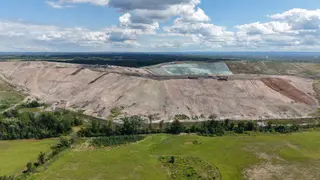
New York City faces a critical shortage of landfill capacity as more than two-thirds of its municipal waste is transported hundreds of miles away to distant sites that are rapidly filling up. The state is projected to exhaust current landfill capacity within 16 to 25 years, forcing the city to seek disposal locations even farther away as upstate communities increasingly resist new and expanded landfills. Major environmental concerns include methane emissions from expanding landfills and toxic leachate that can contaminate groundwater and local water supplies.
New York City generates far more waste than it can manage locally, forcing the sanitation department to transport the majority of its garbage to distant disposal sites. The state's capacity constraints are approaching a critical threshold, with projections showing exhaustion of available landfill space within the next two decades. This mounting pressure has intensified tensions between the city and upstate communities, which bear the environmental costs of waste disposal while receiving minimal benefits.
The Seneca Meadows facility exemplifies these regional conflicts. Located in the Finger Lakes, this landfill has become New York State's largest single source of methane emissions while also presenting risks of groundwater contamination through leachate. Local residents and businesses report regular exposure to noxious odors, yet legal challenges to landfill expansion have largely failed, leaving communities with limited recourse against continued growth.
The landfill crisis could reshape waste management across the Northeast, potentially increasing transportation costs and environmental risks as disposal sites move farther from New York City. Rural and upstate communities may face intensified environmental burdens, including air quality degradation and groundwater safety concerns. The situation could accelerate demand for alternative waste solutions—such as expanded recycling or waste reduction policies—while highlighting broader tensions between urban consumption patterns and rural environmental protection, affecting how cities manage their ecological footprints.