Public skepticism toward AI grows even as adoption accelerates
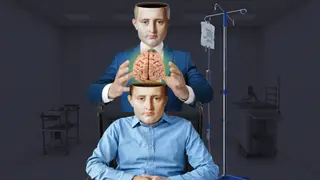
Despite widespread negativity about artificial intelligence's societal impact, usage of AI technologies continues to surge globally, creating a paradox where people simultaneously distrust and depend on the tools. The tension reflects concerns about hype-driven narratives and industry zealotry overshadowing genuine applications. This divergence between sentiment and behavior suggests deeper questions about how AI is being developed and deployed across sectors.
The article documents a striking contradiction in how people relate to artificial intelligence. Survey data shows growing public concern about AI's negative societal effects, yet simultaneously, adoption rates for AI tools and services continue climbing globally. This paradox reflects frustration with how the technology sector promotes AI—through marketing hype and industry evangelism—rather than measured discussion of practical applications.
The tension extends to those working within AI development itself. Some company leaders express ambivalence about their own contributions to the field, suggesting internal awareness that enthusiasm may outpace responsible deployment. The divergence between what people say about AI and what they actually use points to underlying questions about whether current development and integration practices adequately address legitimate concerns about impact, oversight, and societal consequences.
This dynamic could shape technology policy and regulation going forward. Policymakers may face pressure to implement stricter oversight frameworks if public skepticism hardens while dependence deepens. The phenomenon could also influence hiring, investment, and talent flow in the AI sector—skilled professionals might grow reluctant to participate if ethical concerns remain unaddressed. Additionally, sustained skepticism paired with continued adoption may erode public trust in institutions deploying these systems, potentially affecting sector-wide credibility and acceptance of future technologies.