Uncertainty clouds House prospects for Senate-passed college sports regulation bill
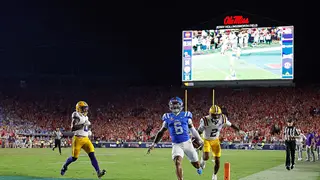
The Senate passed sweeping legislation in late September that would create the first federal regulatory framework for college athletics, governing name, image and likeness deals and athlete compensation. House Democrats and Republicans must now review the bipartisan measure, though it remains unclear whether President Trump will actively support reconciliation efforts as he focuses on midterm elections. Key sponsors from the Senate Commerce Committee have begun outreach to House members to explain the bill's provisions and address their concerns.
The Senate Commerce Committee developed legislation establishing the first federal oversight system for college athletics, addressing how schools compensate athletes and regulate their commercial opportunities. The bill passed with broad bipartisan support, suggesting significant consensus on the need for national standards in this area. However, the House faces internal divisions that may complicate passage, with some Republican leaders and the Congressional Black Caucus expressing reservations about specific provisions.
A central point of contention involves employee classification. Senate Republicans abandoned a requirement explicitly prohibiting athlete employment status to secure Democratic support, but House conservatives argue this omission creates vulnerability to unionization efforts and increased regulatory complexity for institutions.
The bill's fate could substantially affect how colleges structure athlete compensation programs and manage their sports operations. Student-athletes, schools, athletic conferences, and state governments all have varying interests in the regulatory outcome. If legislation stalls, the current patchwork of state-level rules would likely persist, potentially creating compliance challenges for multi-state athletic programs. Conversely, federal standards could provide clarity but may impose operational constraints on educational institutions.