Legal analysis: how opposing briefs frame climate liability case at Supreme Court term opener
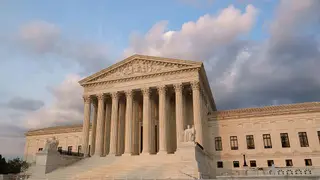
A legal writing expert examines the opening arguments in the Suncor Energy v. Boulder County case, which asks whether federal law bars state courts from hearing climate-related injury claims against fossil fuel companies. The analysis breaks down how energy companies, the federal government, and Boulder County each frame their core arguments through narrative, logic, and persuasive techniques in their Supreme Court briefs. The competing narratives illustrate how each side views the case's fundamental strengths and weaknesses as the Court prepares to hear arguments.
The Suncor Energy case represents a pivotal moment in climate litigation strategy, pitting fossil fuel producers against local governments seeking accountability through state courts. Colorado communities argue that energy companies should bear financial responsibility for climate-related damages—including wildfire destruction and health impacts—resulting from their extraction and marketing activities. The dispute hinges on whether the Clean Air Act and other federal frameworks preempt such state-level lawsuits, or whether courts can address climate injuries through traditional tort law mechanisms.
The briefs reveal fundamentally different narratives about institutional responsibility and legal authority. Energy companies characterize the case as imposing local state law on global commerce, while the federal government warns against allowing one state to regulate overseas conduct. Boulder County counters that the procedural timing favors judicial restraint, arguing that Colorado courts should first determine whether viable claims exist under state law before the Supreme Court intervenes.
This case could significantly reshape climate accountability mechanisms in the United States. A ruling favoring energy companies may limit state courts' ability to hear climate-related lawsuits, potentially concentrating climate policy decisions in Congress or federal agencies. Conversely, a decision supporting Boulder County could open pathways for communities nationwide to pursue damages against fossil fuel producers, affecting corporate liability exposure and possibly influencing settlement negotiations in similar pending cases across multiple jurisdictions.